By style
Cool Profile Picture Ideas
Effortless, confident, a little mysterious.
-
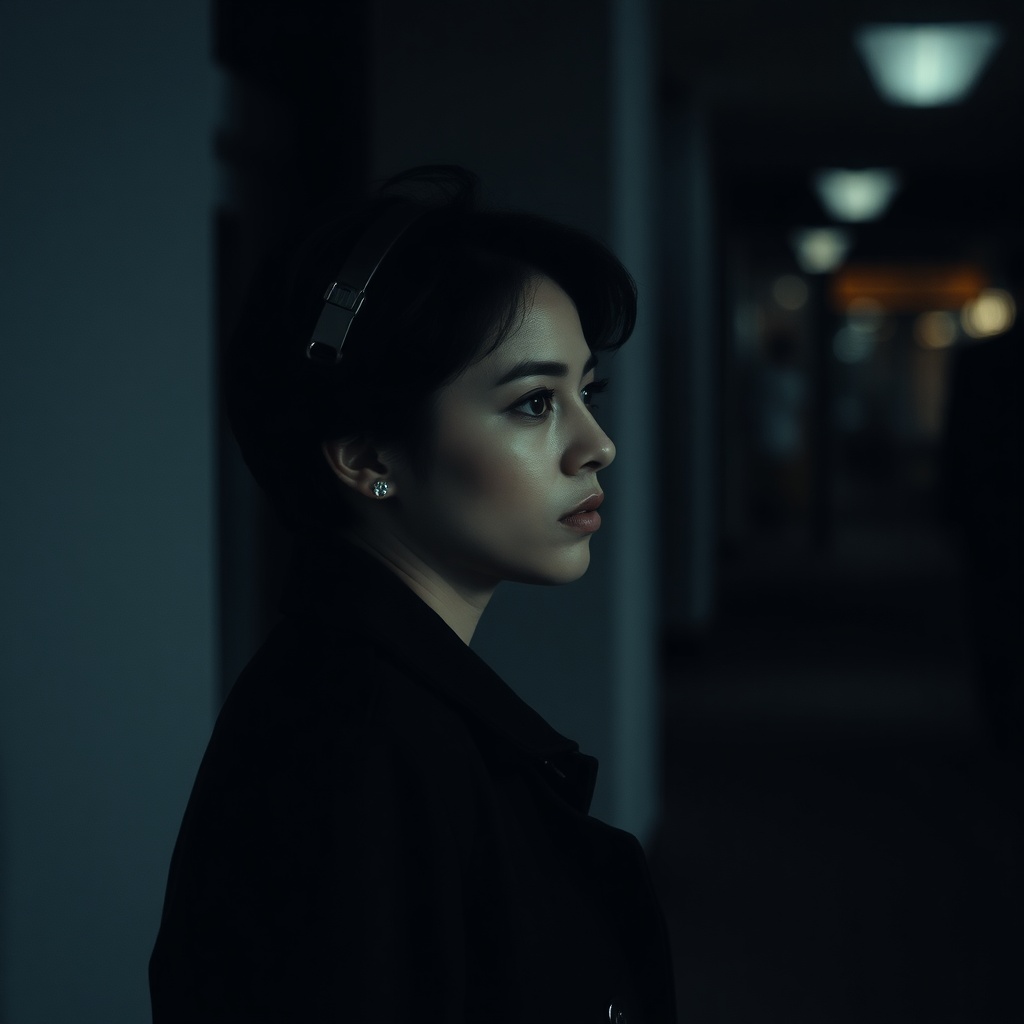 01
01The mid-motion candid
Looking away, walking, half-turned. Caught rather than posed is the entire secret.
-
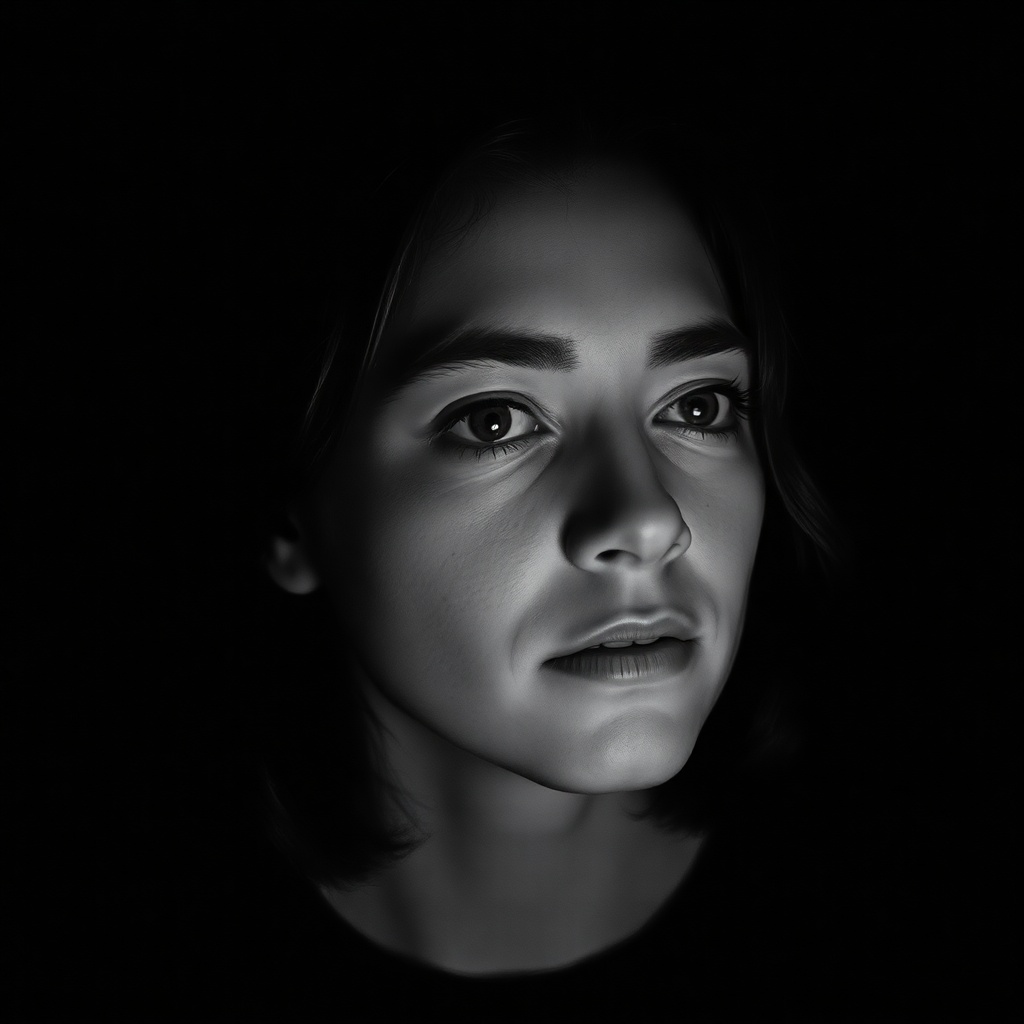 02
02Black and white
Strip the colour and you strip out the try-hard. Instant restraint, timeless, hard to get wrong.
-
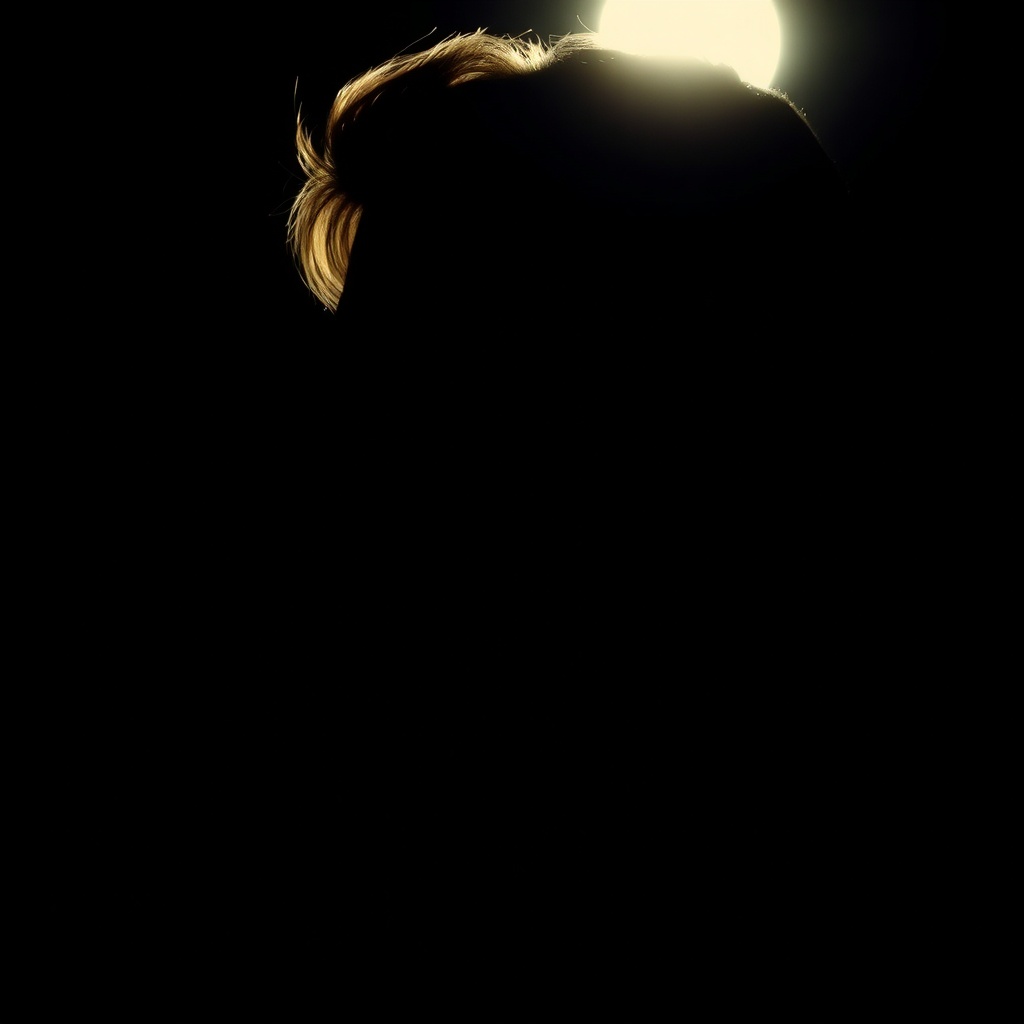 03
03Backlit silhouette
Shoot into the light so your face falls into shadow. Says a lot by showing almost nothing.
-
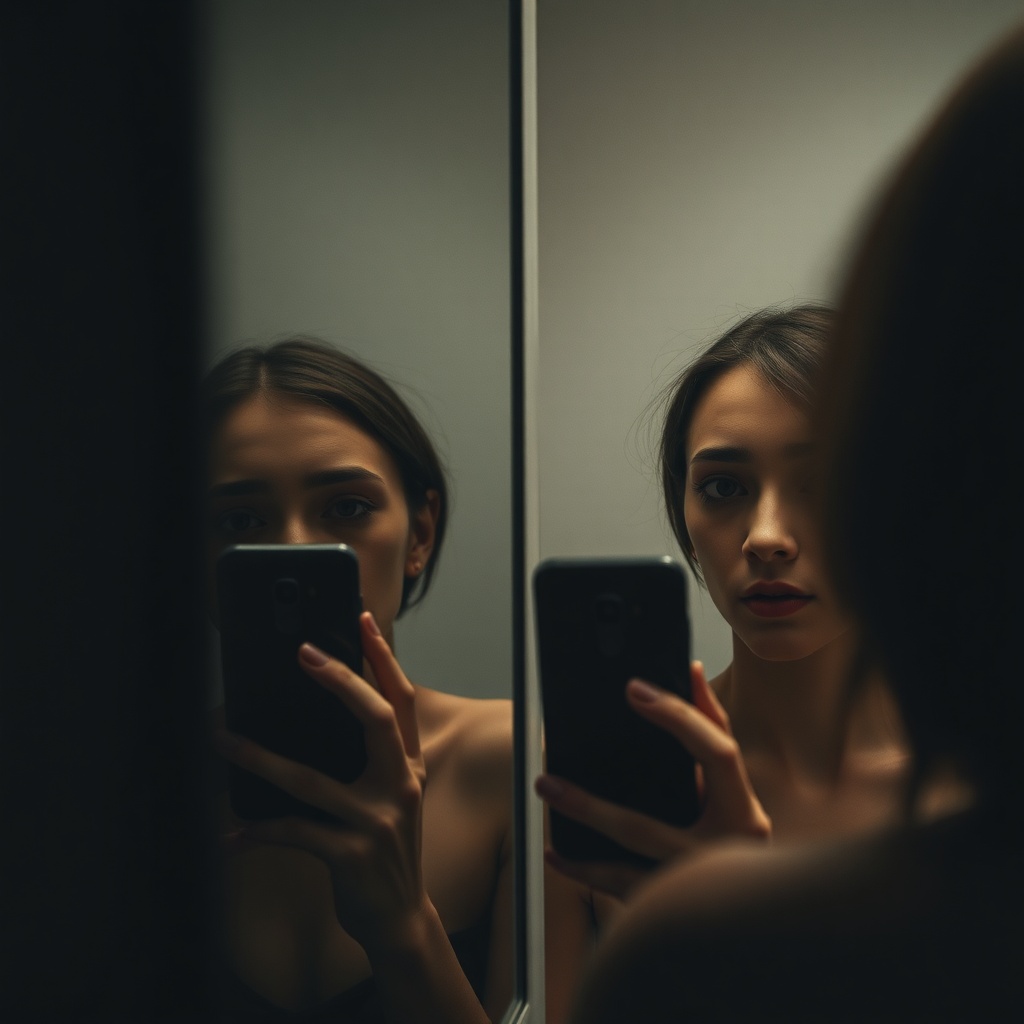 04
04The mirror shot, done properly
Clean mirror, no clutter behind you, phone not swallowing your face. The difference between effortless and lazy.
-
 05
05One colour, head to wall
A single-colour outfit against a wall in the same key. Reads considered without looking staged.
-
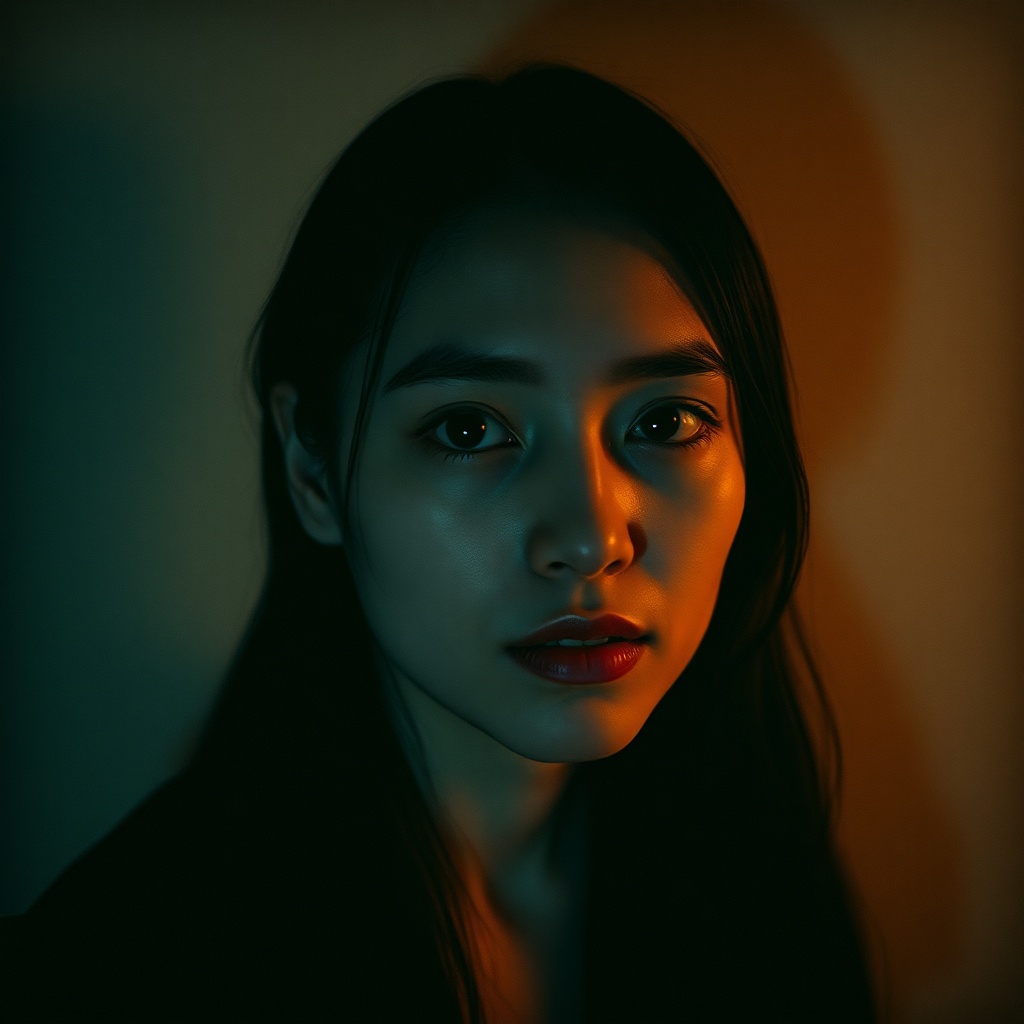 06
06Grain and low light
The 2am, one-lamp, slightly grainy look. Imperfection is doing the work here.
-
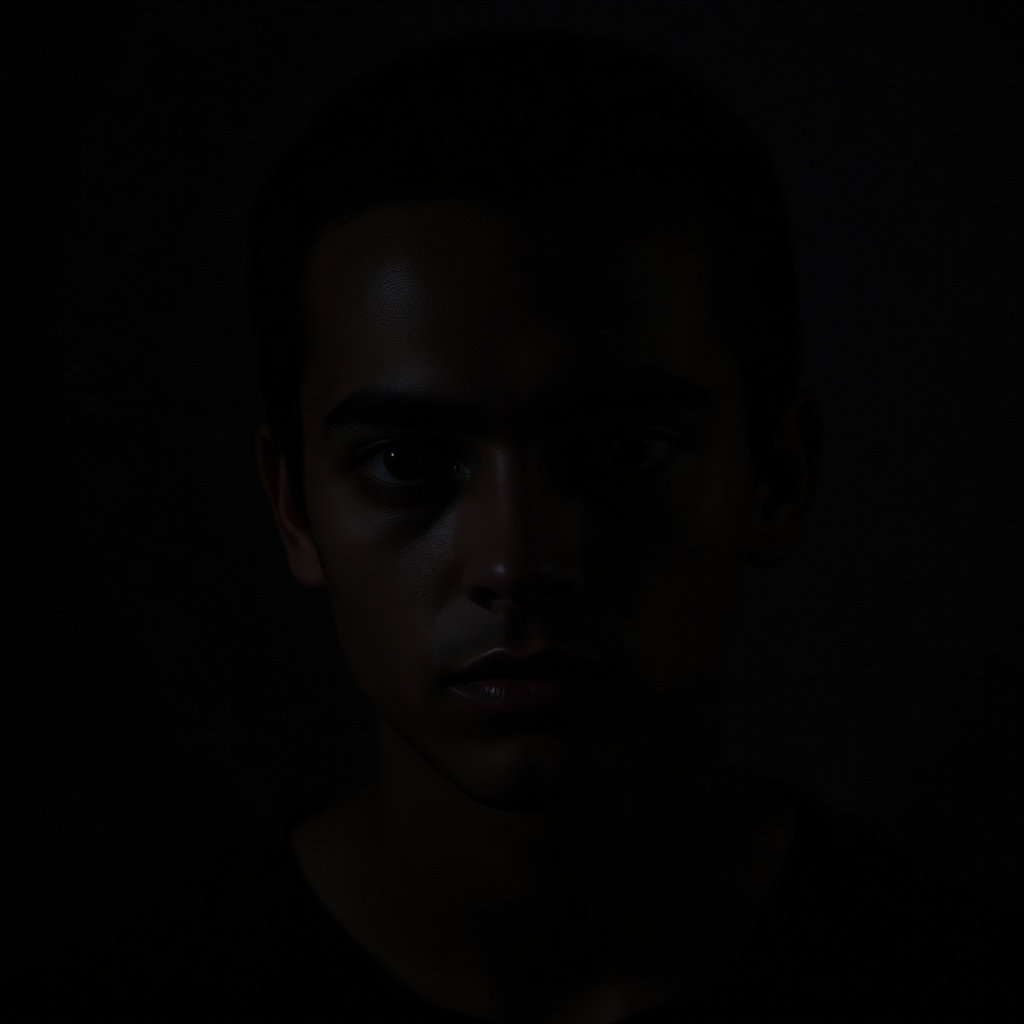 07
07Half in shadow
Light one side of your face and let the other drop off. Mood over clarity.
-
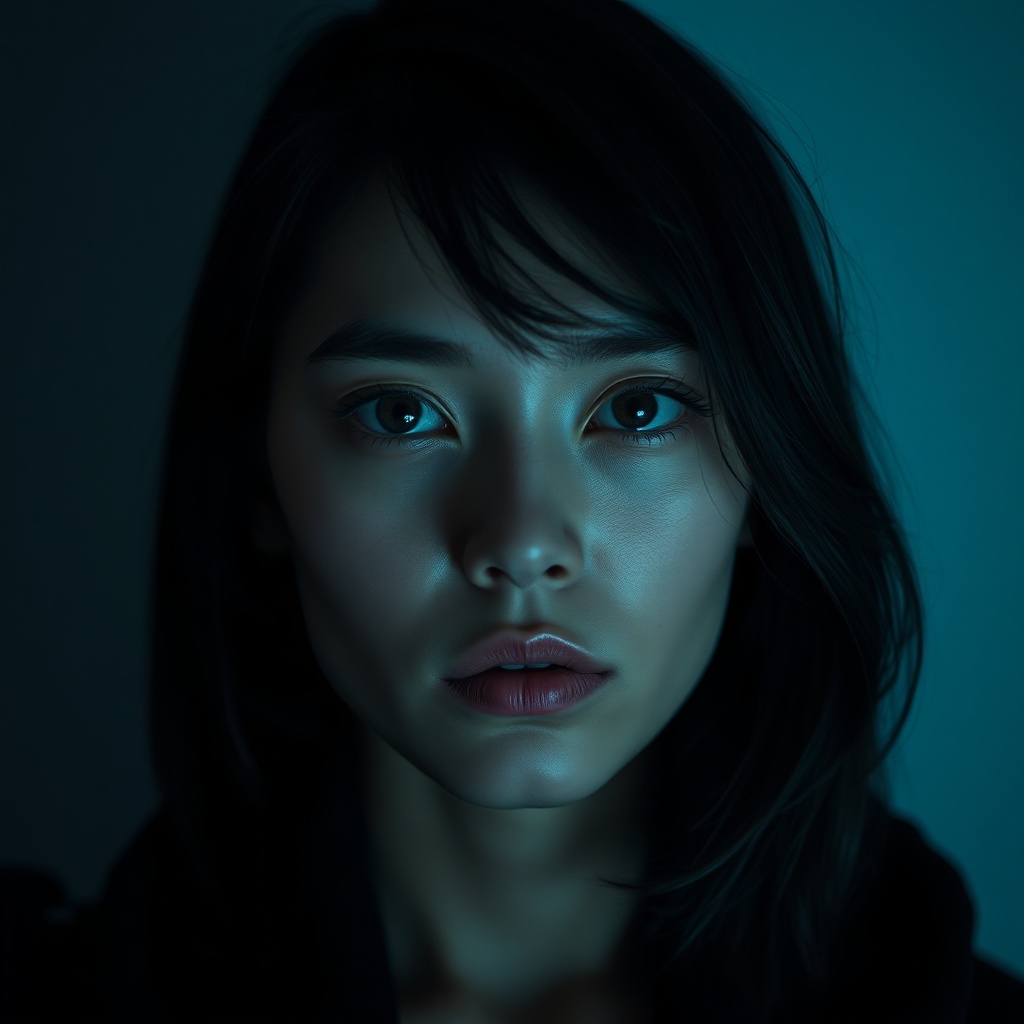 08
08A clean AI portrait
When you want sharp and controlled instead of moody — a well-lit studio look from a few selfies.
Make it with Aragon AI →
Here’s the paradox at the centre of every cool profile picture: the harder you visibly try, the less it works. Cool isn’t a pose you strike. It’s the absence of one.
Effort is the tell
Think about whose PFPs actually read as cool. They’re rarely the sharpest, most carefully lit, most obviously arranged photos. They’re the candid caught mid-laugh, the grainy shot from a dim bar, the black-and-white frame where half the face is in shadow. What they have in common is that none of them look like the person spent twenty minutes getting the angle right — even if they did.
So the fastest upgrade is subtraction. Drop the smile down to neutral. Kill the saturation, or the colour entirely. Stop looking dead-on at the lens. Anything that signals I chose this to look cool undercuts the whole thing.
The moves that quietly kill it
Some things read as trying too hard almost every time: the peace sign, the deliberate smoulder, sunglasses as the entire concept, and over-editing until your skin looks like plastic. None of them are illegal, but they all announce effort, and announced effort is the opposite of what you’re going for.
Restraint, then a little imperfection
The reliable recipe is one restrained choice plus one imperfection. Monochrome and a bit of grain. A single-colour outfit and an off-centre crop. Low light and a candid angle. The restraint keeps it from looking messy; the imperfection keeps it from looking staged.
If what you actually want is sharp and deliberate rather than moody, that’s a different brief — a clean studio-style portrait does controlled-and-confident better than any amount of squinting into the sun.
Questions people ask
How do I make my profile picture look cool?
Stop trying to look cool. The photos that read as cool are almost always candid, understated and a little imperfect — mid-motion, low light, black and white, not smiling for the camera. The moment a picture looks effortful (obvious posing, heavy editing, a peace sign) it reads as the opposite.
Do sunglasses make a good profile picture?
Occasionally, but they're a cliché for a reason — they hide the eyes, which is where recognition and connection live, and they're the default move for someone trying too hard. If you use them, make it feel incidental (you're actually outside, actually squinting) rather than the whole point of the shot.
Should you smile in a cool profile picture?
Usually less than you think. A neutral or barely-there expression reads as unbothered, which is most of what "cool" is. That's the opposite of the advice for LinkedIn or dating, where warmth wins — so match the expression to what the picture is actually for.